The Healing Power of Nature for Mental Well-being

The Lord is my Shepherd; I shall not be in want.

He makes me lie down in green pastures.

He leads me beside quiet waters.

He restores my soul.

Psalm 23: 1-3

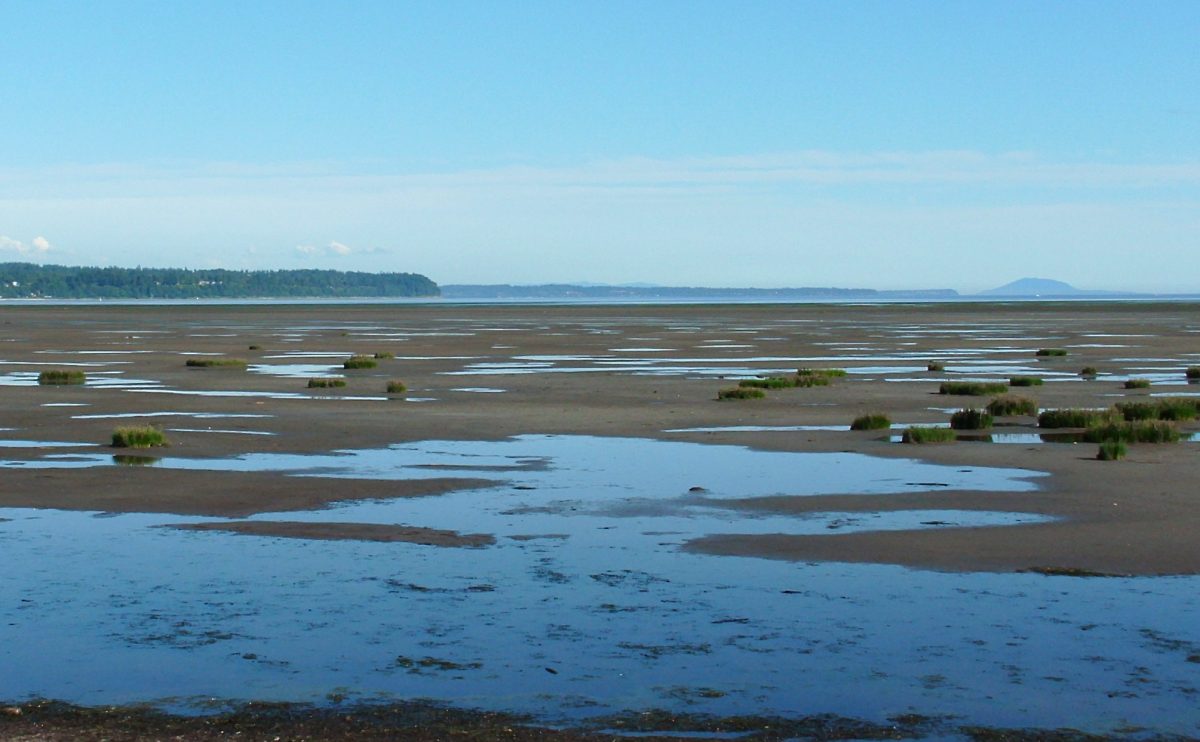
For the first years of my life, I lived on farms near the Great Lakes of Canada.  In later years, I recognized something important. I realized I recalled scenes from my life when I was anxious or upset. This helped me feel calmer.  I remember birds and bees, flowers and trees. I recall fabulous sunsets. I remember seeing the water of a great lake meet the horizon. I have lived in many different places over the years, but I am still drawn to the natural world.  I enjoyed camping, hiking, mountains, lakes and watching all kinds of animals and birds that run and fly freely.

Recently, I started reading about how being in nature affects health and well-being.  City planners and government organizations are starting to take notice of the research when making plans.  I read an article written by Kirsten Weir. It mentioned that one of the United Nations’ Sustainable Development Goals includes a target. This target is to give universal access to safe and inclusive green spaces. The aim is to offer accessible public spaces by 2030.  In BC, Canada, where I presently live, there is one initiative. The government has ongoing projects to add extra campsites..

There are several benefits to living in an area with more green spaces. A study in Denmark found that children living in areas with more green space had fewer mental disorders. They experienced better mental health later in life. Another article stated that there is a lower risk of depression and improved concentration and attention. On a social level, when outdoors, people learn to interact with family and friends in different ways. They engage in various activities, sometimes with people they don’t even know. Research shows that children with ADHD have improved attention spans after spending time in nature.

There are health benefits to being outdoors. Exposure to natural light helps regulate the sleep/wake cycle, which in turn supports sleep.  Walking and hiking can help maintain health or support weight loss. When walking first thing in the morning, the body is more likely to tap into stored fat for fuel. Exercising outdoors is usually harder and longer.

There are multiple ways in which nature supports mental activities.  During a busy day indoors, a person can experience sensory overload, which can lead to tension and mental fatigue.   Relaxing in a soothing environment helps a person become more creative and better at problem-solving when returning to work. A research study shows that when a person is exposed to nature scenes, the brain’s empathy-related parts engage. The scenes also stimulate areas of the brain linked to love. Areas linked to love also show increased activity. 

When a person is out in nature, all five of their senses are activated.  The activity helps increase mindfulness, and the little moments of life are enjoyed.  I can relate to those statements.  Just watching a bird in flight can make me forget other things. Seeing two birds squabbling brings a pause and a smile. A majestic eagle sitting on a pole also has the same effect.  When I am in my apartment, I like watching the movement of the trees. I enjoy seeing the squirrels running about. Even the neighborhood cats capture my attention as they run around.  I don’t seem to notice the apartment buildings in the distance or the parking lot close by.

There are many ways to spend more time outdoors. Plan a picnic rather than eating in a restaurant. Find a nearby hiking trail. Rent a canoe or kayak. Walk your dog. Help someone rake their leave. Grab a book and find a shady tree to sit under. Shovel snow. Do as many of your errands as you can by walking. Pause during your day to enjoy the view from your window. Have nature scenes hanging on your walls. So many ways to bring nature into your day!

After God created the world, He said it was very good.  I am thankful for all the wonderful different plants, animals, land formations, bodies of water, sights, sound and smells.  On a busy day, it’s good to get outside and take a deep breath.  There is so much more happening around you and inside of you than you realize.  Happy wandering!

The Importance of Self-Care: A Journey Through History

Self-care is a very popular topic these days, and it’s an important topic. It is how we focus on our emotional, mental and physical wellbeing.  I’m pretty sure “self-care” was not discussed in my early years.  I think back to when I had rheumatic fever at age seven. I had to do some things, controlled mainly by my mother, I’ll admit.  I was on bed rest, and that had to be maintained, and a healthy diet was essential.  When I was in nursing school years later, my obstetrics instructor taught us relaxation exercises. These were exercises that mothers in labour used. She suggested we try to use those exercises to help us get to sleep at night, too.  Maybe it might have been called a concept of a plan?

The idea of self-care started in the 1950s and was focused on the medical model.  The focus of care switched to being “person or patient-centered care.”  Weight loss and diet were important components in some diseases.  Patients became more involved in their own care.  In mental health, the emphasis grew stronger on self-care, exercising, grooming, etc., so people would regain a sense of self-worth.  

During the civil rights movement in the United States, self-care became very important for those fighting for change.  The Black Panther Party realized the importance of self-care. They understood they needed to take care of themselves to continue fighting for change. They realized that their communities needed to have access to opportunities that would help with their physical and mental health.  Audre Lorde, a Black woman, wrote in 1988,” Caring for myself is not self-indulgent. It is self-preservation, and that is an act of political warfare”. 

After the events of 9/11, the destruction of the Twin Towers in New York City marked a shift. Self-care became more about dealing with trauma. Self-care became a way to cope with the aftermath. Those dealing with PTSD, post-traumatic stress syndrome, and those who felt their world had been turned upside down. People changed how they were taking care of themselves. During the COVID pandemic, self-care changed again. Many deeply felt the loss of community connections, and self-care had to change again. After Mr. Trump was elected in 2016, there was a big spike in searches for articles on self-care online. I imagine that presently, in 2025, there is considerable interest again.

The Bible tells us to “Love the Lord your God above all and your neighbour as yourself”.  But what does it mean to love oneself?  Loving yourself is not the same as selflessness.  If you only give to others, you may begin to resent others. You may be easily angered with people. You could also be filled with chronic anxiety. If your coping habits involve perfection, pleasing people, shutting down emotionally, or constantly being busy, your nervous system is overloaded. It’s essential to make a change. You need to put on your own oxygen mask before you can help others with theirs. Self-care isn’t a luxury; it’s how we partner with God in caring for ourselves.  Jesus didn’t come because he wants us to be useful, He came because He wants us to be whole–whole in mind, body and emotions

Many factors can cause a lack of self-care. These include depression, anxiety, feeling unworthy, trauma, and lack of motivation.  When you don’t care for yourself, you might feel drained of energy. You may lack patience and become irritated by those who make demands on your time. You may find it difficult to focus on tasks and your productivity decreases. It takes some introspection to become aware of one’s goals, physical /mental needs, and accomplishments. Regular quality self-care improves mental health, self-esteem and self-worth and decreases anxiety and depression. 

Taking care of yourself is a very individual thing. The Canadian Mental Health Association has a list of some ideas that may be helpful.  Some of these suggestions may be more important for you than others.

  • Get regular exercise.  Just 30 minutes of walking every day can boost your mood and improve your health
  • Eat healthy, regular meals and stay hydrated
  • Make sleep a priority
  • Try a relaxing activity
  • Set goals and priorities
  • Practice gratitude
  • Focus on positivity
  • Stay connected.

Self-care is a way we prioritize our emotional, mental and physical wellbeing.